
– Medical assistant demand is growing, but hiring remains difficult as practices face workforce shortages, changing expectations, and preparation gaps. –
People, trends, and ideas shaping allied healthcare.
From NPS
Welcome to the first edition of the NPS Allied Health Brief, our new monthly look at the people, trends, and ideas shaping allied healthcare.
Each month, we’ll share what’s happening across the industry, highlight stories from the people making a difference, and keep you up to date on what’s happening at NPS.
Our goal is simple: give you something useful to read each month—and hopefully a story or two worth sharing.
Industry Pulse
Medical Assistants Are in Demand. So Why Are They Still So Hard to Hire?
Healthcare needs medical assistants. A lot of them.
The U.S. Bureau of Labor Statistics projects medical assistant employment to grow 12% from 2024 to 2034, compared with 3% for all occupations. Between new positions and workers who leave the occupation, an estimated 112,300 medical assistant openings are projected each year, on average, over the decade.
For anyone looking at those numbers from the outside, the pipeline might seem pretty straightforward. More people enter the field, practices hire them, and a growing workforce fills a growing need.
That isn’t quite what practices are experiencing.
In a May 2026 Medical Group Management Association poll, 56% of medical practices said medical assistant hiring had become more difficult over the previous year. Only 7% said it had gotten easier, while 37% said it was about the same.
Practices pointed to several reasons, including a shortage of qualified candidates, concerns about experience and work readiness, and gaps in the training pipeline. They’re also competing for the people who are available. Hospitals and larger health systems can put pressure on smaller practices through wages and benefits, while turnover means employers aren’t just filling new jobs—they’re also replacing workers who leave.
112,300
projected medical assistant openings each year
U.S. Bureau of Labor Statistics
The Job Is Changing, Too
Finding enough people is only one side of the problem. Practices are also asking more from the medical assistant role.
Medical assistants have long worked between the clinical and administrative sides of healthcare. Today, team-based models of care can expand that role further. A 2025 American Medical Association resource describes advanced rooming and discharge workflows in which medical assistants and other clinical support staff may help update health histories, reconcile medications, coordinate follow-up care, provide patient education, and support other responsibilities within the patient visit, depending on the practice and applicable requirements.
That flexibility makes medical assistants valuable, but it also raises the bar for preparation and for the systems practices use to support them.
A 2024 study published in The Annals of Family Medicine offers another look at the staffing challenge. Researchers analyzed a nationally representative survey of 1,252 adult primary care practices, with responses collected from May 2021 through March 2022. Only 11.4% of practices had two or more medical assistants per primary care clinician, a staffing level used in some expanded team-based care models.
Because the underlying survey data predate the article’s 2024 publication, that finding is best understood as evidence of an established staffing constraint rather than a measurement of current 2026 conditions.
Where Do We Go From Here?
Put the pieces together and a clearer picture starts to emerge. Healthcare doesn’t simply need more medical assistants. It needs stronger workforce pipelines capable of preparing people for a role that continues to change alongside the practices employing them.
There probably isn’t one answer. Employers have a role in retaining and developing their teams. Healthcare organizations are experimenting with workforce pipelines and apprenticeship models. Schools and allied health educators also remain an important starting point for many people entering the profession.
With more than 100,000 medical assistant openings projected each year, the need is significant. Communities need healthcare workers, employers need candidates, and future medical assistants need opportunities to build the knowledge and experience required for the work.
For educators, the question isn’t simply whether there will be demand for the students they’re preparing. The numbers suggest that demand is already there.
The bigger question is how the healthcare system builds a medical assistant pipeline prepared to meet it.
Industry Pulse Sources
- U.S. Bureau of Labor Statistics, Occupational Outlook Handbook: Medical Assistants
- Medical Group Management Association, Medical Assistants: Tackling Practices’ Worst Hiring Problem Before It Gets Worse
- American Medical Association, Advanced Rooming and Discharge
- The Annals of Family Medicine, Primary Care Practice Characteristics Associated With Medical Assistant Staffing Ratios
This Month at NPS
Bring CCMA Certification to Your Students
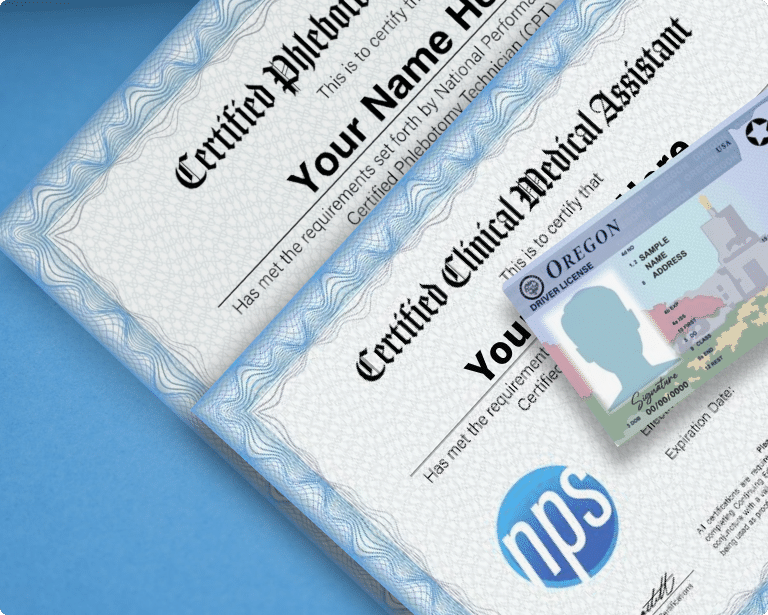
Schools and instructors across allied healthcare are preparing students for a wide range of roles. For organizations that do not currently offer a medical assisting pathway, continued demand for medical assistants may make Certified Clinical Medical Assistant (CCMA) certification worth a closer look.
Whether you’re looking to add CCMA certification alongside the programs you already offer or provide a certification option for an existing medical assisting program, NPS can handle the certification and examination piece.
Through Group Management, schools and organizations can create student accounts, manage certification access, monitor progress, and view exam reporting from one place—all without changing how they teach their programs.
Your organization handles the education, supervision, and hands-on preparation. NPS handles the certification and examination process.
Candidates must meet current NPS eligibility requirements for the applicable certification program.
Explore CCMA Certification for Your Program
View NPS Bridge Individual Seat Pricing
View NPS Bridge Organization Plans
COMING IN OCTOBER
Next Up: EKG
Next month, we’re putting the spotlight on Certified EKG Technicians (CET) and their place in cardiac care.
See you in October.