Patient Care Technicians play a key role in the medical field. Patient Care Technicians draw blood and perform EKGs, monitor vital signs, and assist with patients’ daily needs — ensuring both accurate diagnostics and compassionate support.
Training is one way to qualify for certification, but it is not the only option. Depending on your background and the certification you are pursuing, you may also qualify through an employer-based program, military medical training, or relevant work experience. Some certifications may require additional hands-on experience or documentation.
Not sure which pathway applies to you? An NPS Advisor can help you understand your options and next steps.
Eligibility requirements vary by certification. State, employer, and facility requirements may also apply. NPS provides certification testing and credential issuance. NPS does not provide or supervise the independent training programs listed on this page. Certification does not guarantee employment, licensure, or employer acceptance. Read the NPS Candidate Handbook
The first step to your career as a Certified Patient Care Technician (CPCT) is to enroll in a training class. Westland, Michigan is house to many state credited patient care training programs that will prepare students for a patient care technician career. A patient care training program is generally compiled of 40-80 in class hours and 20-40 clinical hours that will take place after completion of the class, usually at a laboratory or medical institute associated with the program. In Westland, the typical class will have 10-30 students.
When selecting a patient care training program, it’s important to be methodical and well-prepared. There are thousands of programs across the country, but not every one of them provide the essential training and hands-on components needed to enter the workforce. In fact, some programs do not offer clinical hours, which are critical for gaining real-world experience drawing blood in a real lab setting. Without clinical hours, you will not meet the minimum requirements for national certification — even if you finish the course.
One of the most crucial factors to consider when researching a program is its accreditation and adherence to industry guidelines. Program accreditation is formal recognition granted to schools or programs that meet established national standards of instruction, hands-on training, and educational rigor. In patient care, attending an accredited training program ensures that you receive proper education and clinical experience aligned with healthcare quality expectations.
After finishing a patient care training program, you will receive a certificate of completion, which is often misunderstood. This document does not make you a certified patient care technician. It simply confirms that you’ve completed training and allows you to take the national certification exam — especially important for those with no prior experience.
To become certified, students must pass an exam from a recognized agency such as National Performance Specialists (NPS). NPS helps set national standards, develops the certification exams, and maintains a registry of certified professionals.
Certification must be maintained every two years, and completing continuing education is a mandatory requirement for renewal if the a certification holder does not wish to take an additional exam. This ensures that certified patient care technicians remain in compliance with the latest regulations, procedures, and guidelines. Most certifying agencies provide well-defined guidelines on the amount and type of continuing education hours required, making it simple for professionals to maintain their credentials.
If you are planning to attend a patient care training program and would like an NPS advisor to double check that the program is legit, contact us today.
Upon successful completion of a patient care training class, you will earn a Certificate of Completion. Your Certificate of Completion does not make you ‘Certified’. This is a enormously common misunderstanding. A Certificate of Completion is used as proof of successful completion of a patient care training class and is required to take the national certification exam for individuals who’ve acquired no experience in the field.
NPS is not a school or training program. NPS is an examination provider and national certification agency.
Receive your NPS national certification, with online verification available within one hour of passing the exam.

Meet the baseline requirements, then follow an eligibility pathway that applies to you.
High school diploma or equivalent.
Under 18? An age waiver may be required.
EDUCATION / PROGRAM
A qualifying education, employer, apprenticeship, or military training pathway may meet eligibility requirements.
WORK EXPERIENCE
Qualifying supervised work experience in the field may meet the experience pathway.
1 Yr In Last 3 Yrs
2 Yrs In Last 5 Yrs
FUTURE EXPERIENCE
Where permitted by the applicable NPS pathway, required hands-on experience may be completed within the allowed 180-day window.
180-Day Window

To become certified, a patient care technician must have their competency put to the test by a third-party certification agency, like NPS. Once certified, a patient care technician must renew their certification each two years by completing Continuing Education. Continuing education can take many forms, such as on-the-job workshops, online courses, webinars, or specialized training modules. These programs often focus on the latest best practices, safety protocols, and technological advancements in patient care. Many professional credentialing bodies and certification agencies provide regularly updated continuing education resources to help patient care technicians maintain and develop their skills.
There are many certification agencies that patient care technicians can choose to become certified with, but selecting the most recognized one can positively influence your career.
Earning patient care technician certification not only shows your skills and commitment to professional excellence, but also opens doors to ongoing professional development. By regularly engaging in continuing education and professional growth opportunities, patient care technicians can sharpen their expertise, expand their professional network, and prepare themselves for advancement within the healthcare field.
Many healthcare employers require certified candidates, making certification an essential step toward becoming a competitive applicant in the field.
The cost to become NPS Certified is $225.00 and includes a full study guide, endless practice exams, three final certification exam attempts, a professional resume revision, and job placement assistance. The entire process can be completed fully online through the NPS learning management system, and is mobile friendly, allowing you to prepare with flexibility and from the ease of home. Be sure to verify whether your certifying agency provides free resources or if there are separate charges for upgraded content.
Click to learn more about becoming a Certified Patient Care Technician (CPCT).
Once you have registered to take the competency exam, make use of a broad selection of prep tools to maximize your readiness. Many credentialing agencies offer resources such as detailed study guides, digital flashcards, practice questions, and interactive review platforms. When selecting prep tools, look for materials that reflect the exam’s content outline and focus on both theoretical knowledge and practical skills.
Consider creating a study schedule that incorporates regular studying, targeted practice in trouble spots, and regular use of simulated practice exams to simulate the real test environment. This approach will help boost your confidence and ensure you’re fully prepared for exam day.
In addition, practice exams are highly beneficial for simulating the real test environment and identifying areas where you need further review. Some agencies, like NPS, offer repeated practice exams, while others require payment for practice attempts.
After you have passed the final exam, your credentials are quickly inputted in the national registry and a digital copy of your certification is provided in your account. Your digital copy, paired with your NPS transcripts, should be downloaded and printed for use as proof of certification.

*NPS study materials and practice exams are included as optional preparation resources. Candidates are not required to access or complete them before taking the certification examination. After completing identity verification and receiving application approval, eligible candidates may proceed directly to the exam. Use of preparation resources does not guarantee a passing score or certification.
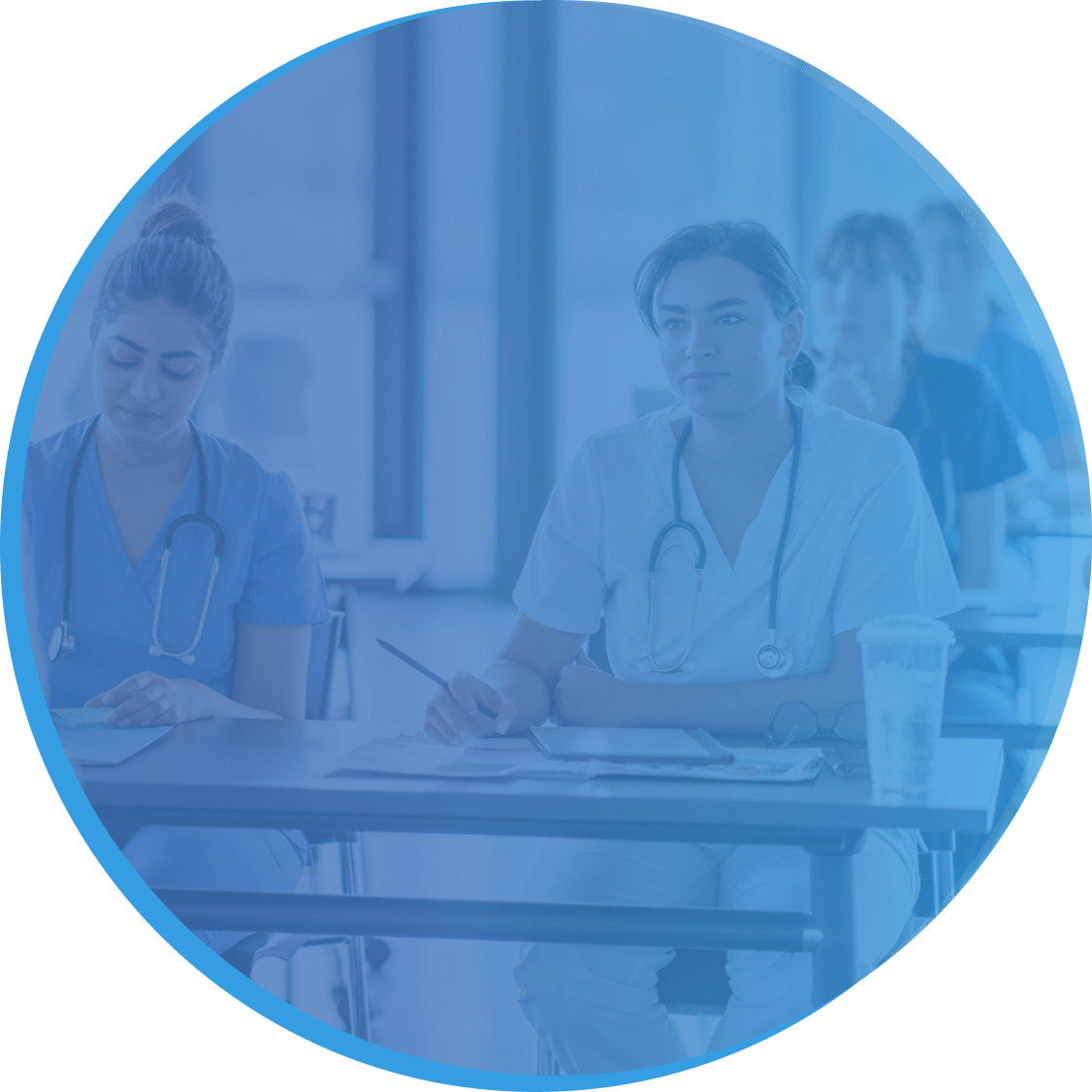
Now that you’re a Certified Patient Care Technician (CPCT), you’re ready to begin your medical career in Westland, Michigan. Patient Care is an excellent entry point into the medical industry, commonly pursued by aspiring nurses, nurse aides, medical assistants, and medical laboratory technicians. Certified Patient Care Technicians are in strong demand across the healthcare industry due to the growth of healthcare services, a growing elderly population, and increased diagnostic testing. This rising demand helps ensure a steady job market, making patient care a secure and worthwhile career choice.
Patient Care Technicians typically perform a standard 40-hour week and earn an average annual salary of approximately $38,000, though wages can differ depending on geography and experience. With increasing prospects and a brief training period, patient care is a smart way to begin a fulfilling healthcare career.
NPS works with multiple staffing agencies to help our members find a career in the patient care field. Click here for more information on CPCT job placement assistance by NPS.
Certified Patient Care Technicians will have to renew their CPCT Certification after two years. A Patient Care Technician should begin the process at least 30 days prior to the week their certification expires. This will permit the patient care technician satisfactory time to complete their continuing education hours and submit their renewal assessment. You will not need to go back to a patient care course or attend a class to renew your certification.
The renewal process can be completed from start to finish online in the NPS learning management system. The cost to renew your credentials for the following two year period is $225.00. Renewing ensures your employer that you are dedicated to updating your knowledge in the patient care field.
If your certification becomes inactive, many certifying agencies offer reinstatement options. The process typically involves finishing any outstanding continuing education requirements, filing a renewal application, and paying a reinstatement fee. It’s important to consult your certifying body for specific procedures and cutoff dates to restore your active status.
Click to learn more about Renewing You CPCT Certification.
A Certified Patient Care Technician Instructor (CPCTI) is a highly proficient patient care technician with over 5 years of experience in the field. Patient Care Technician Instructors can instruct for or own their own school. They’re needed for ensuring that students in their class are retaining the guidance provided by their curriculum. Every class in Westland, Michigan should provide students with the instructors background and credentials.
If a patient care technician meets the requirements and wishes to become a Certified Patient Care Technician Instructor (CPCTI) they can complete the entire process online. If you would like to request to speak with someone regarding the process, contact us today.
Click to learn more about becoming a Patient Care Technician Instructor (CPCTI).
National Performance Specialists is also partnered with the American Red Cross to provide job placement assistance to NPS Members and to assist the American Red Cross in recruiting quality candidates across the United States.

All NPS certification programs are proudly listed within the Certification Finder by CareerOneStop. CareerOneStop is sponsored by the U.S. Department of Labor, Employment and Training Administration and is a proud partner of the AmericanJobCenter network.